
Technology, especially internet technology, is rapidly evolving, transforming the way we live, work, and communicate. With each passing decade, we witness new innovations that not only enhance our lives but also reshape industries and create new opportunities. From telegraphs to telephones, and now to smartphones and the cloud, technology continues to revolutionize how we connect with each other and the world around us.
In this article, we will explore the evolution of internet technologies, their impact on various sectors, and the new professions emerging in the ever-expanding tech landscape. We’ll also discuss the future prospects of these technologies and how they are set to redefine the way we interact with information and each other.
The Evolution of Communication Technology
The history of communication technology is a fascinating journey from simple tools to sophisticated networks that connect billions of people worldwide. Let’s delve into this progression:
From Telegraphs to Telephones
- Telegraphs: In the 19th century, the telegraph was a groundbreaking invention that allowed for the transmission of messages over long distances using Morse code. This technology laid the groundwork for future communication advancements by demonstrating the possibility of instant communication.
- Telephones: The invention of the telephone in the late 19th century marked a significant leap forward in communication. Unlike the telegraph, which required operators and knowledge of Morse code, the telephone allowed people to communicate verbally across great distances. By the mid-20th century, having a telephone at home became commonplace, symbolizing a new era of communication convenience.
The Rise of the Internet
The internet, initially developed as a military and academic research network in the late 1960s, became accessible to the public in the 1990s. This marked the beginning of a new era in communication and information sharing.
- Early Internet: The early internet was primarily text-based, with slow dial-up connections that limited its capabilities. Despite these limitations, it quickly became a valuable tool for research and communication.
- Broadband Revolution: The introduction of broadband internet in the early 2000s transformed the digital landscape, offering faster speeds and enabling the streaming of audio and video content. This shift laid the foundation for the modern internet experience.
- Smartphones and Mobile Internet: The advent of smartphones and mobile internet in the late 2000s revolutionized how we access information and communicate. With internet access now in the palm of our hands, the way we interact with technology and each other has fundamentally changed.

The Impact of Internet Technologies on Modern Life
Internet technologies have permeated every aspect of our lives, offering convenience, efficiency, and connectivity. Let’s explore how these technologies have impacted various sectors:
1. Communication and Social Interaction
The internet has transformed how we communicate and interact with others:
- Social Media: Platforms like Facebook, Twitter, and Instagram have become integral to our social lives, allowing us to connect with friends and family worldwide. These platforms enable real-time communication and information sharing, making the world feel smaller and more interconnected.
- Instant Messaging: Services like WhatsApp, Telegram, and Slack provide instant communication, enabling us to stay connected with colleagues, friends, and family at any time. This instant connectivity has transformed personal and professional relationships, fostering collaboration and community.
- Video Conferencing: Tools like Zoom and Microsoft Teams have revolutionized remote work and education, allowing people to meet face-to-face virtually. This has been especially crucial during the COVID-19 pandemic, highlighting the importance of internet technologies in maintaining continuity in our lives.
2. Business and Commerce
Internet technologies have reshaped the business landscape, offering new opportunities and challenges:
- E-Commerce: Online shopping platforms like Amazon and Alibaba have revolutionized retail, making it possible to purchase goods and services from anywhere in the world. This shift has forced traditional brick-and-mortar stores to adapt to the digital age, often by establishing an online presence.
- Digital Marketing: The rise of digital marketing has transformed how businesses reach consumers. With tools like Google Ads and social media advertising, companies can target specific audiences with precision, making marketing efforts more efficient and effective.
- Remote Work: The internet has made remote work a viable option for many industries, allowing employees to work from anywhere with an internet connection. This flexibility has led to a reevaluation of traditional work structures and has increased the demand for remote work-friendly technologies.
3. Education and Learning
The education sector has seen significant changes due to internet technologies:
- Online Learning Platforms: Websites like Coursera, Udemy, and Khan Academy offer courses on various subjects, making education more accessible to people worldwide. This democratization of education allows individuals to learn at their own pace and on their schedule.
- Virtual Classrooms: Schools and universities have adopted virtual classrooms, providing students with remote learning opportunities. This shift has been accelerated by the COVID-19 pandemic, highlighting the need for adaptable and resilient education systems.
- Access to Information: The internet has made information more accessible than ever before. Students and researchers can access vast knowledge, enabling more comprehensive research and learning.

The Role of Cloud Technologies
In recent years, cloud technologies have become a cornerstone of the digital world, offering scalable solutions for data storage, processing, and management. Let’s explore how cloud technologies are reshaping the business landscape:
1. What are Cloud Technologies?
Cloud technologies refer to services and solutions that run on the internet, allowing users to access computing resources and data without needing physical hardware. This approach offers numerous advantages, including cost savings, scalability, and accessibility.
2. Benefits of Cloud Computing
- Cost Efficiency: Cloud computing eliminates the need for physical servers and hardware, reducing maintenance costs and capital expenses. Businesses can scale their operations up or down as needed, paying only for the resources they use.
- Scalability: Cloud services offer unparalleled scalability, allowing businesses to quickly adapt to changing demands. Whether it’s handling a sudden surge in traffic or expanding storage capacity, cloud technologies provide the flexibility needed to meet these challenges.
- Collaboration: Cloud technologies enable seamless collaboration, allowing teams to work together on projects regardless of location. Tools like Google Workspace and Microsoft 365 facilitate real-time collaboration and document sharing, enhancing productivity and communication.
3. The Impact on IT and Business Operations
The adoption of cloud technologies has transformed IT and business operations:
- Data Management: Cloud solutions provide efficient data management, allowing businesses to store, analyze, and access data easily. This capability is crucial for data-driven decision-making and strategic planning.
- Remote Access: With data and applications hosted in the cloud, employees can access their work from anywhere, promoting remote work and flexibility. This accessibility has become increasingly important as remote work becomes more prevalent.
- Disaster Recovery: Cloud technologies offer robust disaster recovery solutions, ensuring business continuity during disruptions. By storing data in the cloud, businesses can quickly recover and resume operations after unforeseen events.

Emerging Professions in the IT Sector
The rapid development of internet technologies has given rise to many new professions that cater to diverse skills and interests. While programming remains a core component of the tech industry, many roles focus on other areas, such as marketing, management, and design. Let’s explore some of these emerging professions:
1. Digital Marketing Specialists
As businesses shift their focus to online platforms, the demand for digital marketing specialists has skyrocketed. These professionals are responsible for creating and executing online marketing strategies that drive brand awareness and engagement.
- Search Engine Optimization (SEO): SEO specialists optimize websites to rank higher in search engine results, increasing visibility and organic traffic.
- Content Marketing: Content marketers create engaging and informative content that attracts and retains customers, building brand loyalty and trust.
- Social Media Management: Social media managers oversee a brand’s presence on platforms like Facebook, Instagram, and Twitter, crafting content and engaging with audiences to build a strong online community.
2. Project Managers in IT
Project managers in the IT sector play a crucial role in overseeing the development and implementation of technology projects. They ensure that projects are completed on time, within budget, and meet the desired objectives.
- Agile Project Management: Agile project managers use methodologies like Scrum and Kanban to manage projects flexibly and iteratively, adapting to changes and improving efficiency.
- Product Management: Product managers focus on the development and lifecycle of digital products, collaborating with teams to create solutions that meet customer needs.
- Technical Project Management: These professionals have a strong understanding of technology and manage projects involving complex technical requirements.
3. UX/UI Designers
User experience (UX) and user interface (UI) designers are essential for creating intuitive and user-friendly digital products. They work closely with developers and product managers to ensure that websites and applications are visually appealing and easy to navigate.
- UX Design: UX designers focus on the overall user experience, conducting research and testing to create seamless interactions between users and digital products.
- UI Design: UI designers concentrate on the visual aspects of a product, designing interfaces that are aesthetically pleasing and functional.
- Usability Testing: Usability testers evaluate digital products to identify areas for improvement, ensuring that they meet user expectations and provide a positive experience.
4. Cybersecurity Specialists
As cyber threats become more sophisticated, the need for cybersecurity specialists has grown. These professionals protect organizations from data breaches, hacking attempts, and other security threats.
- Network Security: Network security specialists safeguard an organization’s network infrastructure, implementing measures to prevent unauthorized access and attacks.
- Information Security: Information security analysts protect sensitive data by developing and enforcing security policies and protocols.
- Ethical Hacking: Ethical hackers, also known as penetration testers, identify vulnerabilities in systems and networks, providing recommendations to improve security.
5. Data Analysts and Scientists
The explosion of data has created a demand for professionals who can analyze and interpret information to drive business decisions. Data analysts and scientists play a crucial role in turning raw data into actionable insights.
- Data Analysis: Data analysts collect, process, and analyze data to identify trends and patterns, helping businesses make informed decisions.
- Machine Learning: Data scientists use machine learning algorithms to create predictive models that forecast future trends and behaviors.
- Big Data: Big data specialists work with large datasets, using advanced tools and techniques to extract valuable insights that inform strategic planning.
The Future of Internet Technologies
As we look to the future, internet technologies are poised to continue evolving at an unprecedented pace. Here are some key trends and predictions for the coming years:
1. The Internet of Things (IoT)
The Internet of Things (IoT) refers to the interconnected network of devices that communicate and share data. From smart homes to industrial applications, IoT is set to revolutionize how we interact with the physical world.
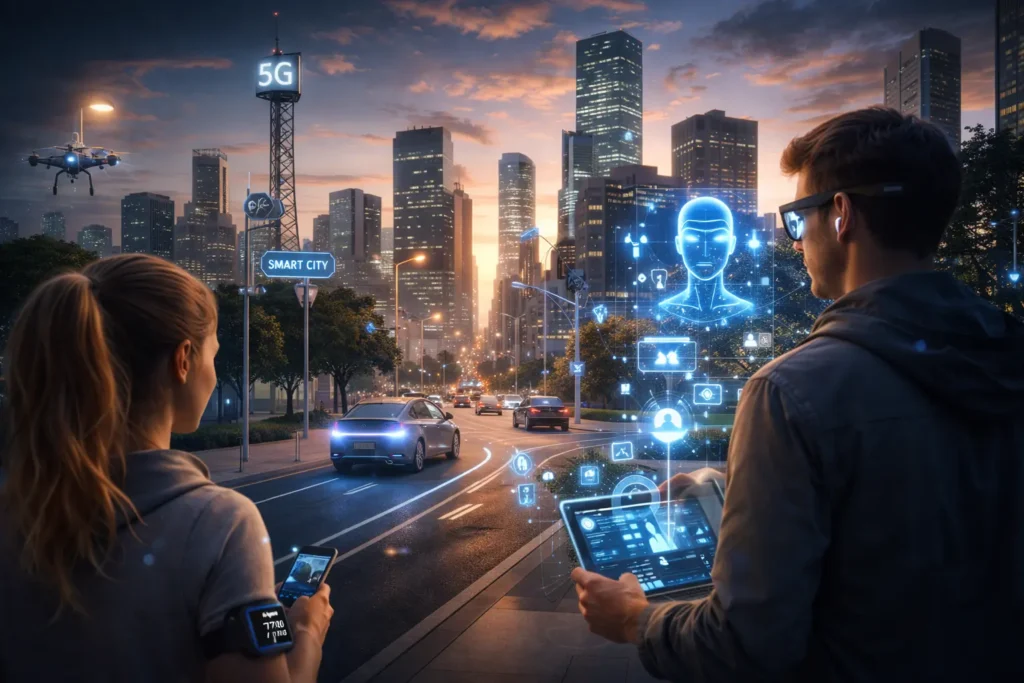
- Smart Cities: IoT will play a pivotal role in developing smart cities, where interconnected systems improve efficiency, sustainability, and quality of life for residents.
- Wearable Technology: Devices like smartwatches and fitness trackers will become more sophisticated, offering personalized health insights and improving our well-being.
- Industrial IoT: IoT will drive innovation in industries such as manufacturing, agriculture, and logistics, optimizing processes and enhancing productivity.
2. Artificial Intelligence and Machine Learning
Artificial intelligence (AI) and machine learning (ML) are transforming various sectors, offering new capabilities and efficiencies.
- Automation: AI and ML will automate routine tasks, allowing employees to focus on more complex and strategic work.
- Personalization: Businesses will use AI to create personalized experiences for customers, tailoring products and services to individual preferences.
- Predictive Analytics: ML algorithms will analyze data to predict future trends, enabling businesses to make proactive decisions and stay ahead of the competition.
3. 5G and Connectivity
The rollout of 5G networks will revolutionize connectivity, offering faster speeds and lower latency.
- Enhanced Mobile Experience: 5G will improve the quality of mobile internet, enabling seamless streaming, gaming, and communication on the go.
- Remote Work and Learning: Faster connectivity will support remote work and learning, making virtual collaboration more efficient and accessible.
- Innovation in Technology: 5G will pave the way for new technologies and applications, from augmented reality to autonomous vehicles, reshaping how we interact with the digital world.
Conclusion
The development of internet technologies has profoundly impacted our lives, transforming how we communicate, work, and access information. As these technologies continue to evolve, they offer new opportunities and challenges, shaping the future of industries and creating new professions.
To thrive in this rapidly changing landscape, individuals and organizations must adapt to emerging technologies and embrace the potential they offer. By staying informed and embracing innovation, we can harness the power of internet technologies to improve our lives and build a more connected, efficient, and sustainable world.