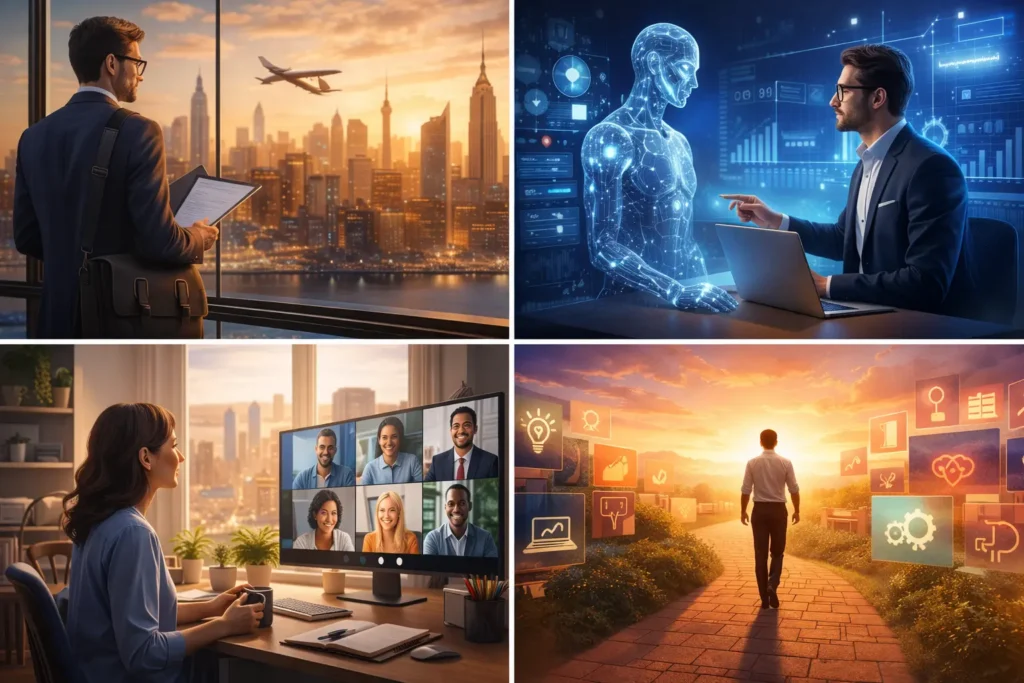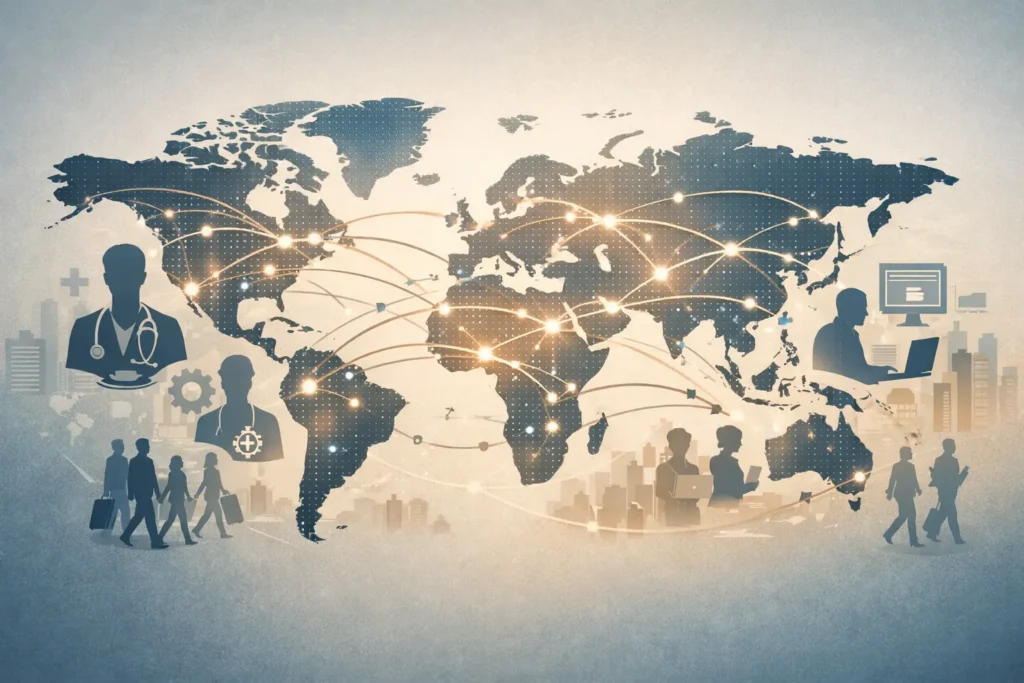
In recent years, there has been a rapid development of technologies that are fundamentally changing the approaches to business management and the performance of everyday tasks. One of the most noticeable trends is the rise in popularity of artificial intelligence (AI) and automation. These changes are affecting all areas of our lives, from work to leisure, and are sparking lively discussions about the future of many professions.
Artificial intelligence is already changing the business environment today, helping to automate routine processes and make them more efficient. Since the advent of Chat GPT and similar technologies, access to AI has become much more democratized, and even small companies can now take advantage of its benefits. However, as with any innovation, there are many questions about the specific consequences of such rapid AI integration into everyday practices.

Artificial Intelligence: A New Reality
A few years ago, artificial intelligence technologies were available only to large corporations that could invest significant funds in developing and implementing AI solutions. However, the situation has drastically changed. With the advent of Chat GPT and other similar platforms, AI has become available to virtually everyone, regardless of the business’s size or industry.
Benefits and Opportunities of AI
- Speed and Efficiency:
- Artificial intelligence can process enormous amounts of data in seconds, allowing businesses to make faster and more accurate decisions.
- Automating routine tasks such as data entry or order processing frees up employees for more creative and strategic work.
- Accessibility and Cost Savings:
- Reduced personnel costs by eliminating the need for routine tasks.
- Access to AI tools is now possible even for small businesses, opening new horizons for growth.
- Personalization and Analysis:
- AI can analyze customer needs and behaviors, enabling the creation of more personalized offers and improving customer experience.
- Data prediction and analytics help businesses adapt to market changes and anticipate trends.
Fears and Myths: Is AI a Threat to Jobs?
A widespread belief is that artificial intelligence will soon replace many existing professions, leaving many people jobless. However, the situation is not so clear-cut. AI does not completely replace humans but helps automate routine tasks, freeing up time for more creative and strategic work.
AI as a Tool, Not a Replacement
- Automating Routine Tasks: AI takes over tasks that were previously done manually, such as data processing, text translation, or report generation. This allows employees to focus on more important aspects of their work, such as developing new strategies or improving customer service.
- New Opportunities: Implementing AI in the business environment opens up new opportunities for professional growth and learning new professions. Specialists capable of effectively working with AI are in high demand, and companies increasingly seek professionals with skills in AI and automation.
- The Need for Human Control: AI can perform many tasks, but human oversight is still necessary for effective use, including process management and strategic decision-making. This means AI is more of an assistant than a threat.

Impact of AI on Different Business Sectors
AI development significantly affects various industries. Let’s explore how AI and automation are transforming some of them:
1. Financial Sector
- Process Automation: AI is actively used to automate banking operations, process transactions, and manage risks, allowing for cost reduction and increased efficiency.
- Fraud Prevention: AI-based systems can detect suspicious activities and prevent fraud by analyzing customer behavior and transactions in real time.
- Personal Financial Advice: AI platforms can provide personalized financial advice and recommendations to clients based on their unique needs and preferences.
2. Retail
- Supply Chain Optimization: AI helps retail companies optimize supply chains, forecast demand, and manage inventory more effectively.
- Personalized Shopping Experience: By analyzing purchasing preferences, AI creates individualized offers for customers, enhancing their satisfaction levels.
- Customer Service: AI-based chatbots and virtual assistants can respond to customer inquiries and solve their problems in real time, improving customer service.
3. Healthcare
- Diagnostics and Treatment: AI technologies assist doctors in diagnosing diseases by analyzing medical images and patient data, increasing diagnostic accuracy and improving treatment outcomes.
- Health Monitoring: AI systems are used to monitor patients’ conditions in real time and timely detect abnormalities, contributing to more effective treatment.
- Drug Development: Artificial intelligence speeds up the process of developing new drugs by analyzing large amounts of data and identifying potentially effective compounds.
Prospects and New Professions
As AI develops, new professions and opportunities for career growth emerge. Let’s consider some of them:
1. Data Analyst
With increasing data volumes, there is a need for specialists who can effectively analyze and interpret information. Data analysts play a crucial role in business by helping make informed decisions based on data analysis.
2. Machine Learning Engineer
Machine learning engineers develop algorithms and models that allow AI systems to learn and make decisions based on data analysis. These specialists are in demand across various industries, including finance, healthcare, marketing, and others.
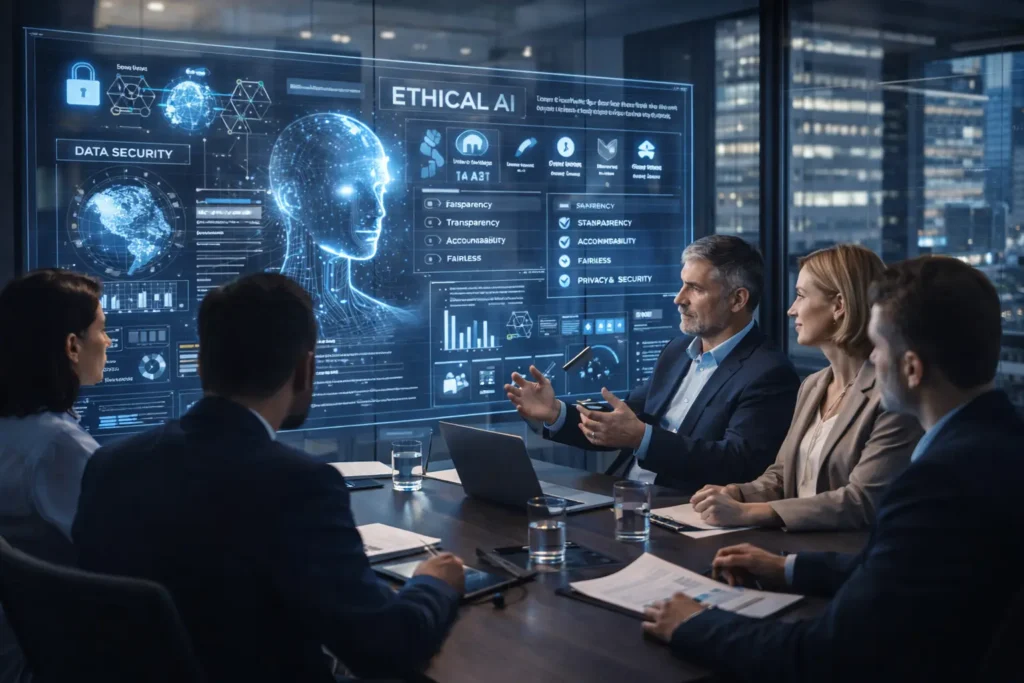
3. AI Ethics Specialist
As AI develops, there is a need for specialists who will monitor the compliance of ethical norms and principles when using technologies. AI ethics specialists help ensure the safety and transparency of AI systems, as well as the protection of user data.
Challenges and Risks
Despite the obvious benefits of AI, there are certain challenges and risks associated with its implementation. Let’s consider some of them:
1. Job Loss
Although AI helps automate routine tasks, it may also lead to job cuts in some industries. Companies must consider this aspect and offer retraining and education programs to help employees adapt to new conditions.
2. Ethical Issues
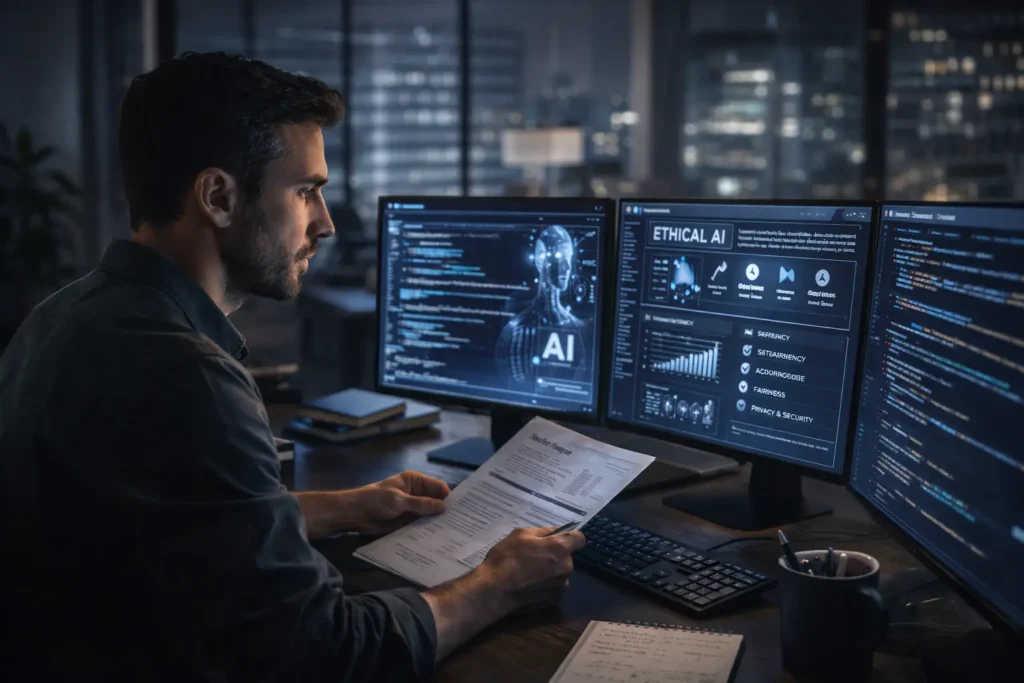
AI systems can make decisions that impact people’s lives, so ensuring their ethics and transparency is essential. Companies should develop and implement AI usage policies that account for ethical standards and protect user rights.
3. Data Security
AI actively uses user data, making it essential to ensure its safety and confidentiality. Companies must take measures to protect data and prevent leaks.
How to Prepare for the Future with AI
To successfully adapt to changes brought about by AI development, companies and employees must adopt several strategies and measures:
1. Education and Retraining
- Invest in Education: Companies should offer training and retraining programs to employees so they can acquire new skills and adapt to changes.
- Develop Soft Skills: Communication, creativity, and critical thinking skills are increasingly important in the age of AI. These skills help employees work effectively in teams and make informed decisions.
2. Use AI as a Tool
- Implement AI in Processes: Companies should view AI as a tool to increase efficiency and improve work quality rather than as a threat.
- Analyze Data: Use AI for data analysis and making informed decisions that help the company adapt to market changes.
3. Maintain Ethics and Transparency
- Develop AI Policies: Companies should develop and implement AI usage policies that consider ethical standards and protect user rights.
- Ensure Data Security: Take measures to protect user data and prevent leaks.
Conclusion
Artificial intelligence and automation are becoming integral parts of modern business, opening new opportunities and presenting specific challenges. Companies and employees must be prepared to adapt to changes and use AI as a tool for achieving success. Education, skill development, and ethical AI usage will help prepare for the future and take advantage of all the benefits this technology offers.
The development of AI is not just a trend but an inevitable part of our future. It’s essential to recognize its potential and learn to use it for the benefit of business and society. Thus, AI will not only improve our lives but also enable us to move forward, opening up new horizons and opportunities for growth.